
4G Solar Cameras
Cellular security cameras for outdoor locations without reliable WiFi or nearby power. Compare PTZ, AOV, data-included and remote outdoor monitoring options.


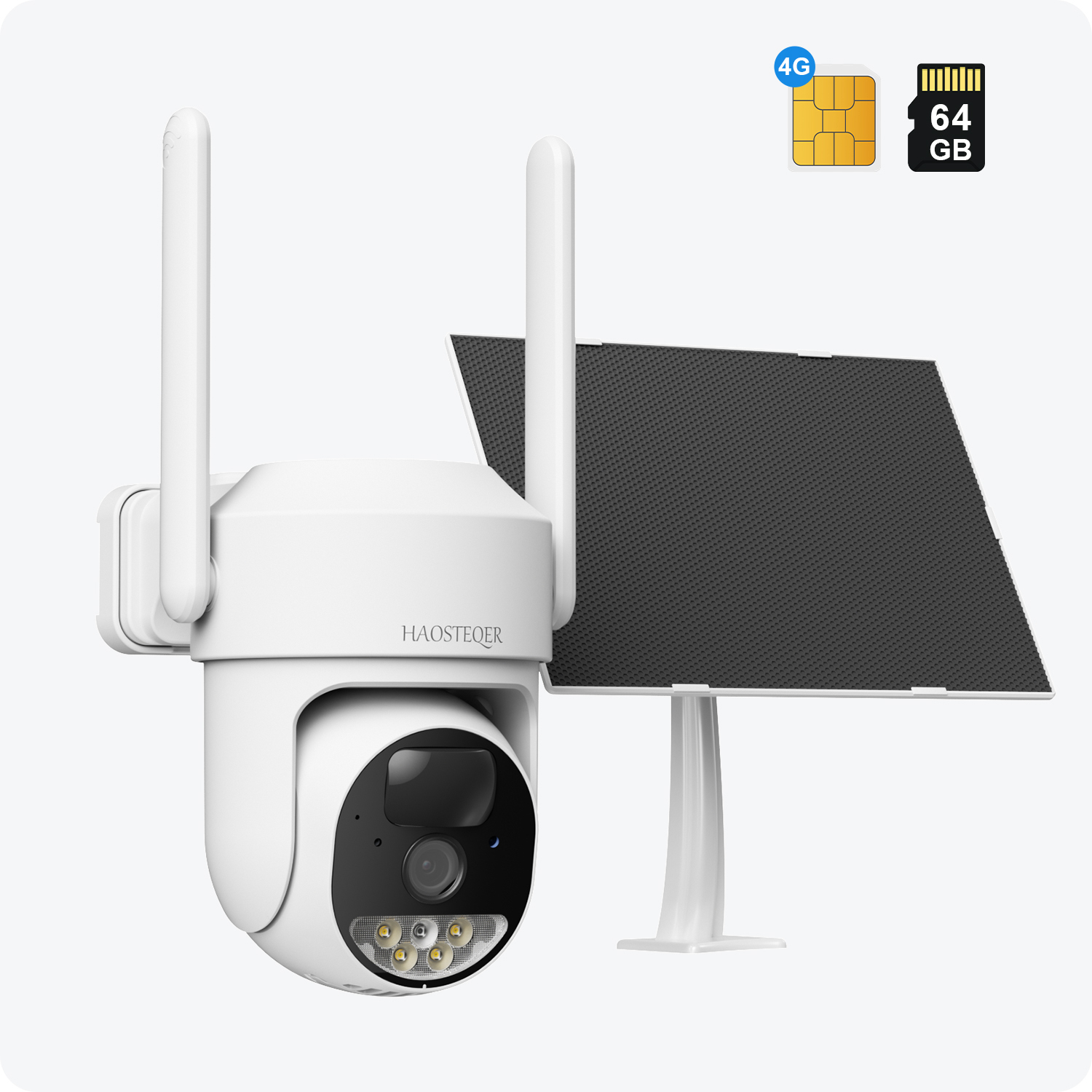

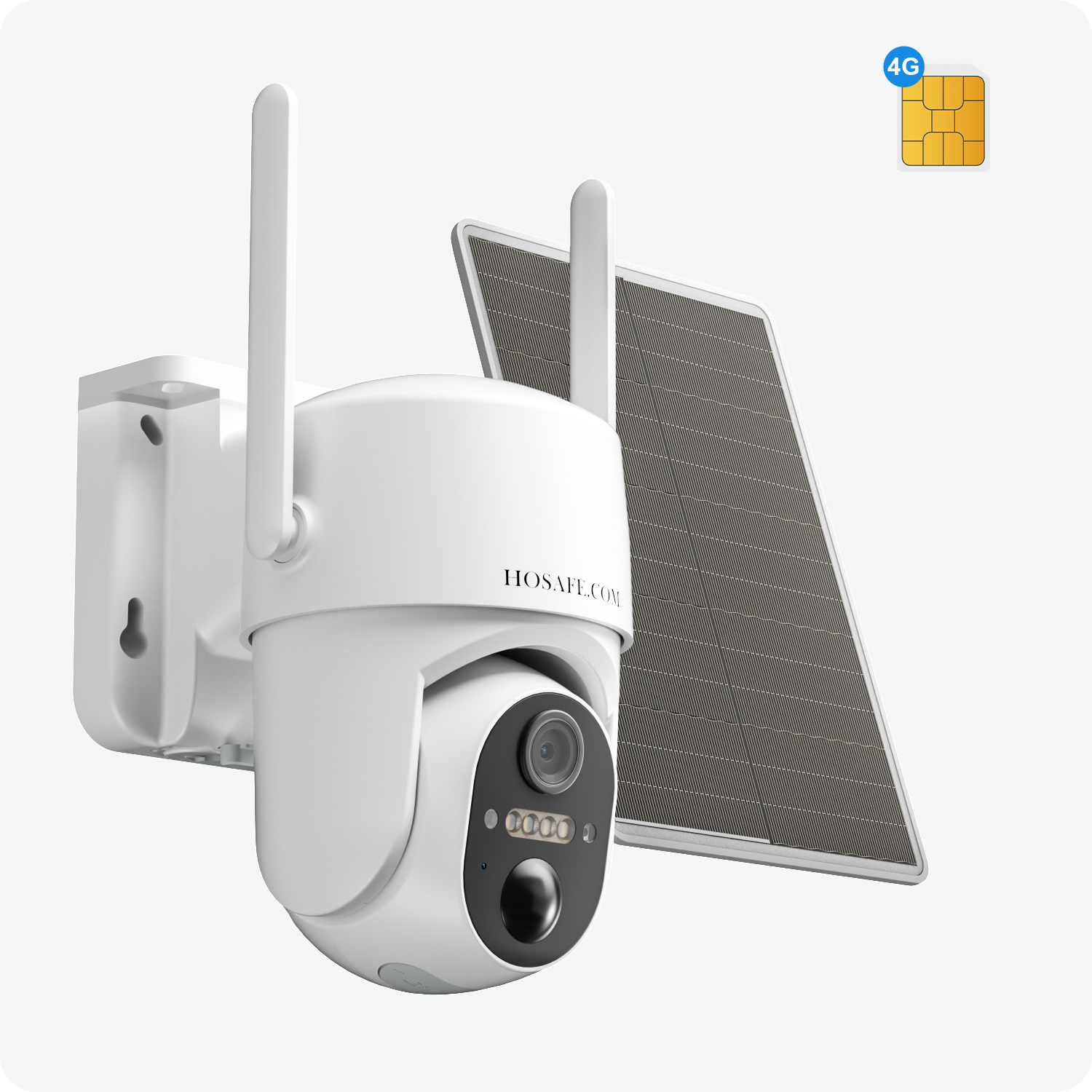
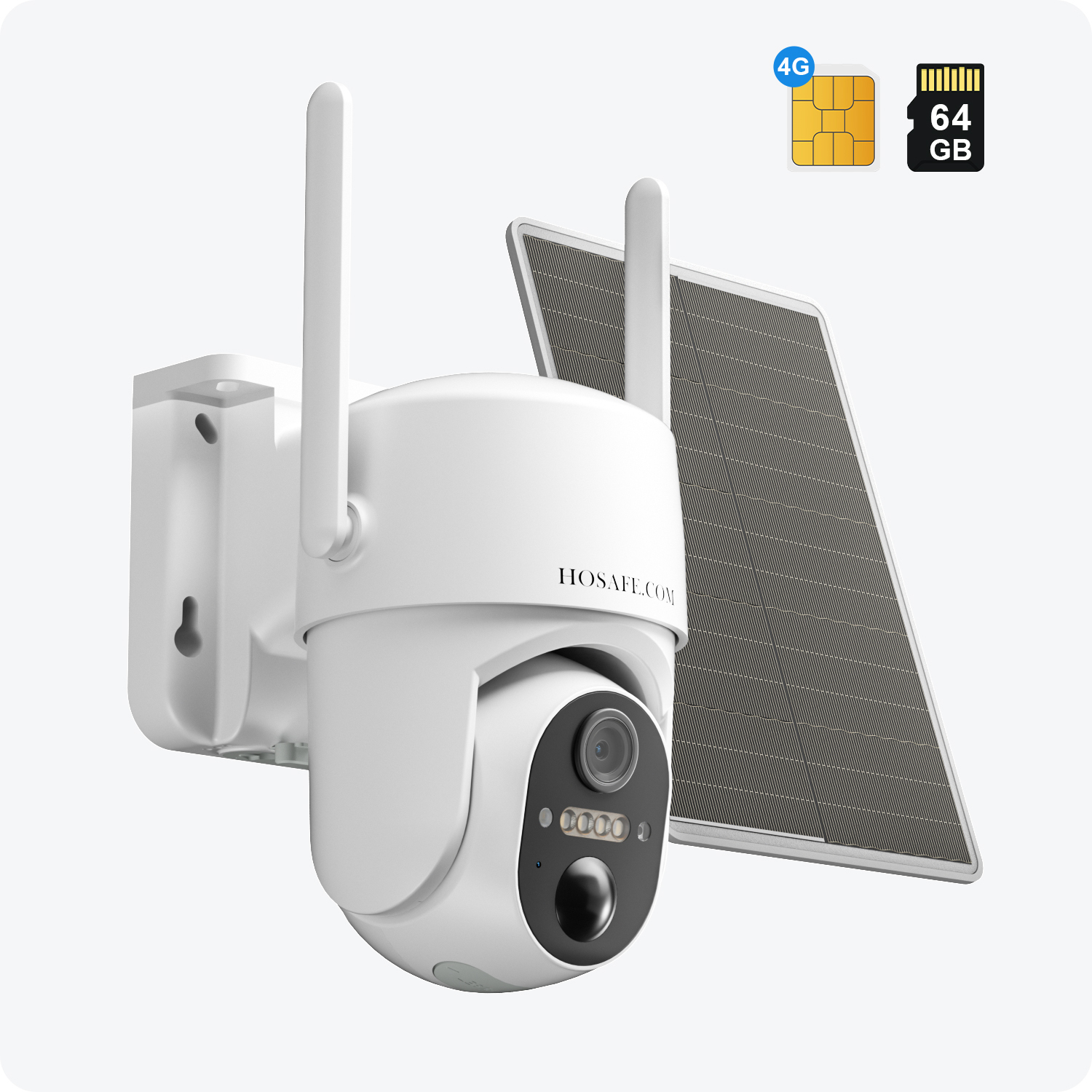


How to Choose a 4G Solar Security Camera
Choose a 4G solar security camera when WiFi is unavailable, unreliable, or too far from the area you need to monitor. Cellular connectivity makes these cameras practical for farms, ranches, jobsites, cabins, gates, RV storage, equipment areas, and other remote outdoor locations.
Before choosing a model, check cellular coverage, included data terms, recording mode, storage, night vision, solar panel placement, weather resistance, and app features. Different HOSAFE models are designed for different coverage and recording needs.
Which Camera Type Fits Your Location?
Start with the connection and power available at the installation point. This is usually the fastest way to narrow down the right camera type.
No nearby power outlet
No nearby power outlet
3 Things to Check Before Choosing a 4G Solar Camera
A few checks before installation can prevent most connectivity, charging, and data-plan problems later.
Check 4G Signal
Confirm cellular coverage at the exact installation point. A remote camera still needs a usable cellular signal to stay connected.
Review Included Data
Check the data included with the model and what happens after the included trial or free-data period ends.
Plan Solar Placement
Install the solar panel where it can receive direct sunlight and avoid heavy shade from roofs, trees, or structures.
Where 4G Solar Cameras Make the Most Sense
4G solar cameras are most useful when the monitoring location sits outside normal home or business WiFi coverage.
Frequently Asked Questions
Quick answers to common questions before choosing a no-WiFi outdoor security camera.
Do HOSAFE 4G solar cameras need WiFi?
No. HOSAFE 4G solar cameras use 4G LTE cellular connectivity instead of a home WiFi network.
Do 4G solar cameras need a data plan?
Cellular data is required for connected features such as app access, live view, alerts, and cloud communication. Included data terms vary by model.
What is the difference between 4G Solar and Solar WiFi?
4G Solar cameras use cellular connectivity and are designed for locations where WiFi is unavailable or unreliable. Solar WiFi cameras use your existing WiFi network.
Should I choose one 4G camera or a camera kit?
Choose a single camera when one main location needs monitoring. If you need separate views of two or more areas such as a gate, barn, driveway, equipment yard, or storage area, compare 4G Solar Camera Kits.
